

Mental Health
We all have times when our mood is low and we feel sad or fed up, often these feelings happen for a reason and pass on their own.
But if these feelings last for weeks at a time or become so bad that they interfere with daily life, this might be depression. If you're feeling this way, help is available.

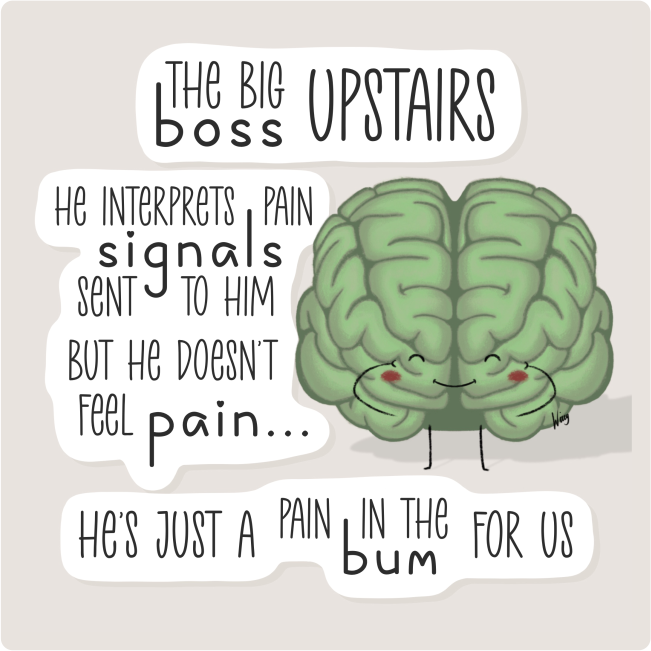
Mental health includes our emotional, psychological, and social well-being. It affects how we think, feel, and act. It also helps determine how we handle stress, relate to others, and make healthy choices.
When you're experiencing a mental health problem, supportive and reliable information can change your life.
You often don’t want to seek help when you need it but for when you do, we have put together a page of the charities that are there for you with help and advice xx
Affecting more than 300 million people worldwide, depression is a common illness that can take lives. Yet understanding of depression is limited.

Stress is our body’s normal response to increased physical and emotional pressure. When we’re repeatedly adding to our level of stress, and don’t have anything in place to counterbalance it, those stress levels go up and up until we reach our capacity, our emotional limits - negatively affecting our mental wellbeing.

Supporting someone with depression
When you support someone with depression it isn’t about ‘fixing them’, it’s about being supportive, listening and doing what you can to make life a little easier for them.
There’s a great disparity in the way people react when you tell them you are unwell with depression, compared to being unwell with something like a cold or a broken leg. You might feel a bit lost, a bit useless, a bit like a spare peg but you’re none of those things. We promise. When your mind is feeling unsafe, the rest of the world just amplifies that unsafe feeling. You may have invited your friend to various events to be turned down, time after time. Please don’t take this personally, it’s really not a reflection on how that person feels about you - it’s about how they feel about themselves and the world at large.
Keep in contact regularly, to remind them you care and also to remind them how highly you think of them. When the voice in your head is on repeat, telling you how hopeless, helpless and horrible you are, your words make a difference to the voice in their head and how horrible they feel. The exhaustion that comes with depression is difficult to put into words. When you expend energy fighting the negative thoughts every single second of every single day (yup, they invade our dreams too), there’s little energy left for anything else.
When we’re well, we operate on autopilot a lot of the time. Things like having a shower, brushing our teeth and answering the telephone, are seemingly little they require little thought and little energy. But sometimes, those tasks for someone with depression can be insurmountable. It’s not laziness either, it’s a level of exhaustion that makes your body feel as though it’s made of lead. Self-care can feel icky at the best of times. It feels like a luxury and the very act of it is so at odds with how we feel about ourselves, that it often loses the battle of resistance.
If you can remove some of the physical barriers to self-care, that can help enormously.
It is difficult to describe what depression feels like. The condition effects us all in so many different ways.

Brain Fog
There’s lots of potential causes for brain fog. Some conditions are known to increase the likelihood of having a foggy brain. These include, but aren’t limited to depression, anxiety, chronic migraines, ME and chronic pain. Our hormones can also contribute to a foggy brain!
In some cases, brain fog is a side effect of the medication we are taking which can be frustrating but sometimes we have to make difficult decisions when weighing up side effects v health benefits.
Some lifestyle factors such as stress, fatigue, diet, activity levels and occupation can contribute to or exacerbate brain fog. This doesn’t mean that brain fog is our fault, but understanding the links between our physical and mental health can help us to manage our symptoms.
Coping with difficult days…
Sleep is vital for maintaining emotional wellbeing and good physical health, yet it’s something most of us struggle with when depressed. Exhausted, we may want to sleep all day - or conversely (and frustratingly) we may have trouble getting any sleep at all.
We all know how important it is to eat well - good nutrition helps boost our mood. However when we’re ill, keeping ourselves fed and watered can be a struggle: we lack the energy and inclination to prepare healthy food, and even choosing what to eat can be overwhelming.
Depression can make even the simplest of tasks feel overwhelming. Taking a shower (if you can) can help and wearing cosy, comfy clothes is a must!
For some of us, leaving the house is a very real challenge. Even if all you can manage is sticking your head out of the window on a sunny day or having a cuppa in the garden, these little things can make a big difference.
We all have relationships with others that need nurturing, but depression makes us want to retreat into ourselves. This desire can be healthy, as it helps us save energy but it’s also important not to withdraw completely. A balance is probably the best approach so hold back from unnecessary social contact, but try and reach out to people you trust. And remember, you don’t have to deal with this alone.
Self-care is far from easy. When our self-worth is on the floor, making time to nurture ourselves feels like an unnecessary effort. We tell ourselves we don’t need it, and we don’t deserve it. That it’s pointless and self-indulgent. That it’s selfish.
Self care with depression…
Self-care isn’t selfish, it’s essential.
We can’t do or be all the things we want to without taking care of ourselves. A car can’t keep driving forever without some kind of maintenance like regular fuel top-ups, service, MOT and repairs…..we’re exactly the same.
Of course, we may feel resistance around practising self-care. We’ve spent so long telling ourselves we’re unworthy, that showing ourselves kindness feels extremely discomforting. We may also find that as we make building self-care into our lives, some of the people around us seem unsettled too. Change can be uncomfortable for us all - but that doesn’t mean it’s not necessary.
Self-care is depression’s nemesis.
When we practice self-care, we’re acting in opposition to depression’s demands but even when we’re raring to go, self-care can feel overwhelming. While it’s talked about a lot, many of us are still not quite clear what it is. We may be unsure about how to start building it in our lives - or indeed where to start.
It doesn’t help that what counts as self-care differs from person to person - what helps one of us, might leave another of us cold. And on top of that, as we grow, change and develop, our self-care needs change too. Self-care never stops being a work in progress - but it is so worth the effort…..we just need to take it one step at a time.
Many of us turn to self-care when life has knocked us to our knees. It’s a tool which helps us regain our strength, our sense of self and to re-calibrate. Yet, cultivating a self-care practice can act as a preventative measure against the harder times or at least teach us about what works for us, and what doesn’t, as we evolve and grow.
Motivation though, can be hard to sustain. We totally understand that; we struggle to remain motivated too sometimes. We’ve put together lots of resources to help with the understanding of self-care, the planning, and the encouraging.
Self love is asking yourself what you need – everyday – and then making sure you receive it.
Find out more with our Support Directory
If you need someone to talk to, you can call the Samaritans 24 hours a day, 7 days a week on 116 123