

Inflamed Bowel Disease
You may not have heard of Ulcerative Colitis – or Colitis as we’ll refer to it – before. It’s a type of Inflammatory Bowel Disease (IBD), which we’ll explain more about later. In Colitis parts of the gut become swollen, inflamed, and ulcerated. This can cause diarrhoea, blood in your poo, weight loss, tiredness and tummy pain – and you may have other symptoms too.
Colitis is a lifelong condition and it can be unpredictable. You’re likely to have periods of good health, known as remission and times when your condition is active, known as flare-ups or relapses. Right now, there is no cure for Colitis, but medicines and sometimes surgery can keep you feeling well for long periods of time.

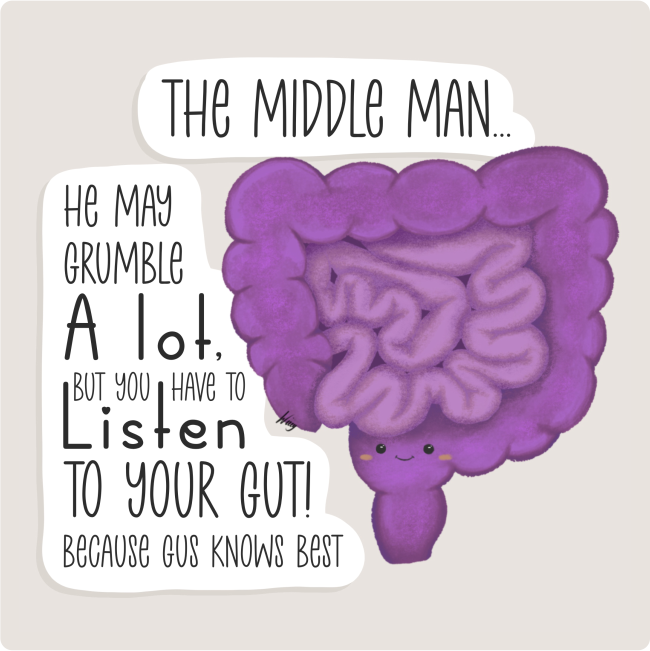
Crohn’s Disease and Ulcerative Colitis are chronic (ongoing and life-long) conditions.
We fund projects looking at the impacts of Crohn’s and Colitis on people's lives, as well as how treatments and health services for these and other forms of Inflammatory Bowel Disease can be improved.
This is the UK’s leading charity for Crohn’s and Colitis. Their information can help you understand Crohn's and Colitis so you can make informed decisions about your health, they’re there to help you every step of the way.
What is IBD?
Inflammatory Bowel Disease (IBD) is a term for chronic conditions that cause inflammation of the digestive tract.
The two main types are Crohn’s disease and ulcerative colitis. IBD is not the same as irritable bowel syndrome IBS. IBD involves visible and measurable inflammation and can cause long-term damage to the gut.
Key features
Chronic inflammation as the immune system mistakenly attacks parts of the digestive tract, producing ongoing inflammation.
Crohn’s disease can affect any part of the gastrointestinal tract from mouth to anus, most often the end of the small intestine and beginning of the colon. Inflammation can be patchy and extend through the entire thickness of the bowel wall.
Ulcerative colitis affects the colon and rectum only, with continuous inflammation limited to the inner lining of the colon.
Symptoms
Abdominal pain and cramping, persistent diarrhoea (sometimes bloody), urgency to pass stool, weight loss, fatigue, reduced appetite, and sometimes fever. Extraintestinal symptoms can include joint pain, skin rashes, eye inflammation, and liver problems.
Complications: Intestinal strictures, fistulas (more common in Crohn’s), increased risk of colorectal cancer (especially long-standing ulcerative colitis), malnutrition, and systemic complications from chronic inflammation.
Causes and risk factors
The exact cause is unknown. Likely a combination of genetic susceptibility, an abnormal immune response, environmental triggers, and gut microbiome changes.
Risk factors include a family history of IBD, certain genetic markers, smoking (increases risk for Crohn’s; may worsen disease), use of nonsteroidal anti-inflammatory drugs (NSAIDs) in some people, and living in industrialized countries or urban areas.
Diagnosis
Based on medical history, physical exam, laboratory tests (blood tests, stool tests), imaging (CT or MRI), and direct visualization with endoscopy or colonoscopy with biopsy to confirm inflammation patterns and rule out other causes.
Treatment
There is currently no cure but treatments aim to reduce inflammation, manage symptoms, induce and maintain remission, and prevent complications.
Medications: Aminosalicylates, corticosteroids (for short-term flares), immunomodulators, biologic therapies (targeted immune-system drugs), small-molecule drugs, and antibiotics in some situations.
Nutrition and lifestyle: Tailored diet plans, nutritional supplements, smoking cessation, stress management, and regular monitoring. Some people benefit from enteral nutrition in certain cases.
Surgery: May be necessary for complications or when medical therapy fails. Surgery can be curative for ulcerative colitis if the colon is removed; Crohn’s disease surgery removes affected sections but does not cure the disease and recurrence can occur.
Living with IBD
Symptoms can fluctuate between flares and remission. Long-term care typically involves a gastroenterologist, possible coordination with nutritionists, mental health support, and sometimes surgeons.
Monitoring for medication side effects and cancer surveillance (regular colonoscopies when indicated) is important.
Mental health and quality of life are significant concerns; many people with IBD benefit from counseling, peer support, and workplace or school accommodations.

Fatigue in IBD is a significant symptom, not just tiredness, that needs active management alongside gut symptoms, often requiring a comprehensive approach improving quality of life.

How IBD can affect your periods
Inflammatory Bowel Disease (IBD) can affect your periods. IBD includes Crohn’s disease and ulcerative colitis, both of which can influence menstrual cycles directly and indirectly.
How IBD can affect periods
Irregular cycles, active inflammation, stress, and weight changes tied to IBD flares can disrupt the hormones that regulate the menstrual cycle, causing missed, delayed, or irregular periods.
Heavier or lighter bleeding, hormonal imbalance and nutritional deficiencies (especially iron deficiency) may change bleeding patterns.
Menstrual cramps can feel worse during flares. Pelvic inflammation or abscesses in Crohn’s disease can also increase pelvic pain.
Shorter or longer cycles: Inflammation and illness can alter cycle length.
While many people with IBD have normal fertility, active disease can reduce fertility temporarily and can change ovulation timing and menstrual symptoms.
Contributing factors
Active inflammation and flares
Stress and fatigue
Low body weight or rapid weight loss
Nutritional deficiencies (iron, vitamin D, other micronutrients)
Pelvic disease (fistulas, abscesses)
Surgery (e.g., pelvic or bowel surgery can sometimes affect pelvic organs)
Medications and their side effects
When to contact a healthcare provider
Missed periods for several months (not due to pregnancy)
Very heavy bleeding (soaking a pad or tampon every hour for several hours)
Severe or new pelvic pain
Sudden large changes in your cycle or symptoms after starting a medication
Signs of anemia (extreme fatigue, shortness of breath, paleness)
Management and steps to take
Track cycles and symptoms: Note timing, flow, pain level, and any connection to IBD flares.
Treat underlying IBD activity: Better control of inflammation often improves menstrual disturbances.
Evaluate nutrition: Correct iron deficiency and other deficiencies that can affect cycles.
Discuss whether any IBD treatments may affect menstruation and whether contraceptive options are suitable.
Use safe analgesics and consider hormonal options (e.g., combined oral contraceptives, progestin-only methods, or IUDs) if appropriate and agreed with your gastroenterologist and gynecologist.
Ask for collaborative care between your gastroenterologist and gynecologist if menstrual problems persist or are severe.
Bottom line IBD can and often does affect menstrual cycles through inflammation, nutrition, stress, pelvic complications, and medications. Many menstrual changes improve when IBD is controlled. If you notice worrying changes, discuss them with your healthcare team for evaluation and tailored management.
Find out more at Crohn’s & Colitis UK
If you need someone to talk to, you can call the Samaritans 24 hours a day, 7 days a week on 116 123

Keep talking
shit!
It takes guts to talk about poop illnesses but no one can see it until we say it. It's time to speak up and break down the stigma.